Fetching Water on a Saturday Morning


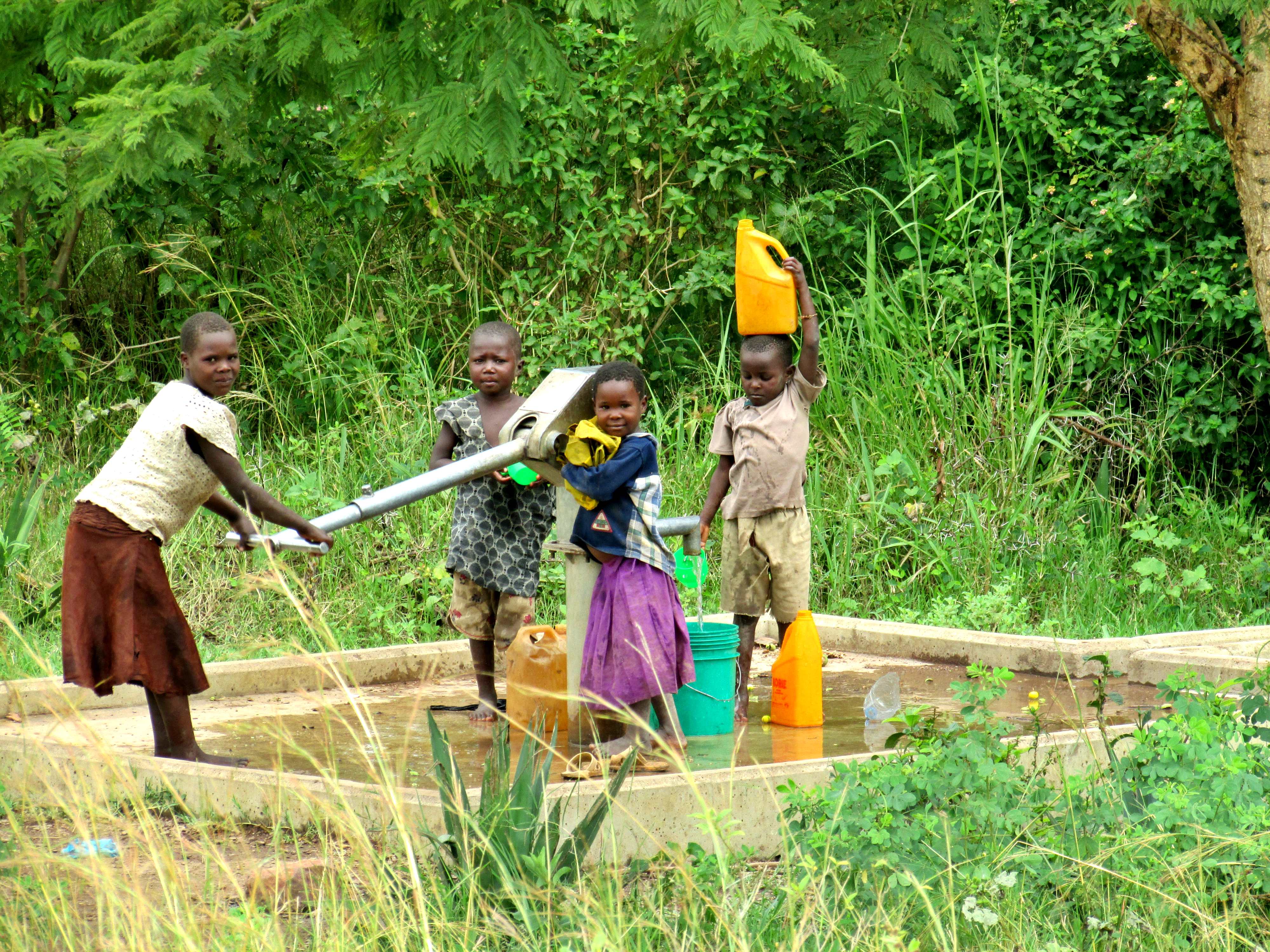
Local children using a well pump donated by JICA - Japanese International Cooperation Agency in Mara River Basin, Tanzania. Photo credit: Ana Lemos

Local children pump ground water in the Mara River Basin, Tanzania. © Ana Lemos 2016

On a typical Saturday morning in Miami, you can find children playing on the beach, in the yard, or on their tablet in the living room. On a typical Saturday morning in rural parts of the Mara River Basin in Tanzania, you can find children fetching and hauling water, farming, or minding their younger siblings.

Fetching water is a task left almost exclusively to women and children in many parts of the world. Culturally, men do not fetch water in most places in the world because they are busy with farming, animal husbandry, or other tasks assigned a gender divide. This is particularly true in underdeveloped rural areas. The SELVA field team discovered that this is no exception in the Mara River Basin during their March 2016 field trip. Through discussions with local water users in villages, we found that children, such as the group in the photograph, and women can take up to 2 hours one direction to fetch water during the dry season. Depending on the size of their family and containers for hauling, this trip is taken up to 6 times in a single day. Simple math can illuminate the fact that this means approximately the entire length of the daylight hours is spent in pursuit of water. This work leaves little time for anything else.

Women and children use plastic containers, like jerry cans and 20-liter buckets, to transport the water on their heads.  Water pumps, such as the one here donated by JICA – Japanese International Cooperation Agency – produce clear, but salty water . This water is not good for drinking. Local wells produce grey colored water. Wells provided by other development groups produce no water at all. There are only a few rain catchment systems, donated by the local chapter of WWF (World Wide Fund for Nature). Otherwise locals must use surface water. The Mara River is available year-round, and a few tributaries, secondary rivers that enter the Mara, flow during the rainy season.

There are risks associated with hauling water directly from the Mara River that threaten women and children’s lives and health. Risks include wildlife threats like crocodiles and hippos, exposure to water borne disease such as malariacholera and schistosomiasis, and the river itself can flood suddenly or the weakened riverbanks can collapse. When mothers send their children to bring water, they do not know whether they will return safely. Improved water supplies can help to address this particular set of risks associated with the security of women and children in their relationship with water resources.

Learn Swahili language

mamba: crocodile  |  kiboko: hippo  |  maji: water
Posted in communities, ecosystems, environment, Mara River basin, SELVA, sustainable water, Tanzania, Uncategorized, water resources, water security

Back from the field teaser!


BW team photo

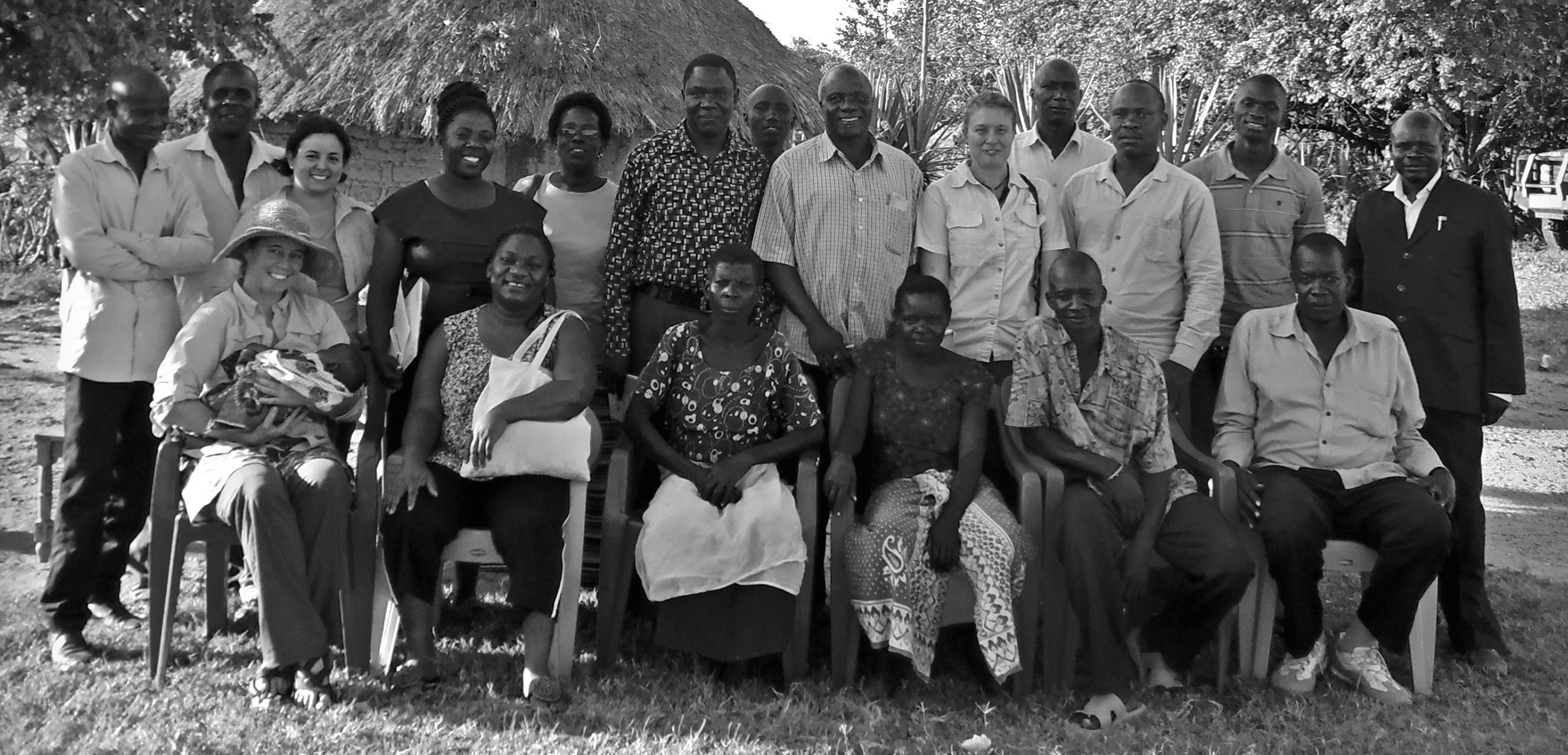
SELVA team with members of a Water Users Association in Tarime District in March 2016 © Jennifer C. Veilleux 2016

The SELVA Florida International University-based team returned to Miami, Florida this month after weeks in the field visiting the Mara River Basin with their Tanzanian counterparts. SELVA’s field trip focus was to collect information about water users and water security along the Lower Mara in Tanzania focused on several different scales and different types of users. With team-members from the Tanzanian Ministry of Water and the Lake Victoria Basin Water Offices SELVA met and spent time with District Government Officers, fishermen, Water User Associations, artisanal gold miners, farmers, women groups, and Serengeti Park Officials, among others.

In the coming weeks, SELVA will share some of the insights that they developed after speaking with people on the ground and traveling throughout different districts in the Tanzanian portion of the Mara River Basin.

Stay tuned!

Posted in Uncategorized

Updated Facebook Page

SELVA has recently updated our Facebook page to include new photos from a field trip to Tanzania in Spring 2015. Please check out our page and like us! Feel free to leave us feedback about the photos and stories we have shared. Our website will be online in September.


Posted in Uncategorized

The Initiative: Introduction

The SELVA Sustainable Water Initiative for the Mara River is just getting underway. We are funded through the MacArthur Foundation and administered through Florida International University. Our first year goals are to understand the Mara River basin as a human and environmental system, to build networks and to understand the international network of stakeholders, and to establish an online database of Mara basin-related information. 

We are interested is to build an international network of organizations and people working on development or scientific research of the Mara basin. We would like to better understand the network of effort to describe and change the basin, and how each organization is, or could be, connected. We will be focused in the Lower Mara River basin, in Tanzania, for the duration of the project. We plan to build an online database at Florida International University of Mara basin-related articles, documents, maps, reports, and related information. We hope to find water security challenges and solutions that can be scaled up to the entire basin. 


Posted in basin management, communities, database, ecosystems, environment, information, Lake Victoria, Mara River basin, network analysis, scale, SELVA, Serengeti, sustainable water, Tanzania, water resources, water security